

Indoor air quality influences comfort and health inside any home. Many homeowners focus on replacing air filters or dusting surfaces. However, air ducts often remain overlooked. These ducts circulate air through heating and cooling systems every day. Over time, dust, allergens, and debris collect inside them. Cleaning ductwork removes buildup, but the air duct cleaning equipment used matters just as much as the cleaning process itself. HEPA-filtered equipment plays a central role in residential air duct cleaning. It improves safety, efficiency, and overall air quality during and after the service.
Understanding HEPA Filtration
HEPA stands for High Efficiency Particulate Air. A HEPA filter is designed to capture extremely small particles from the air passing through it. These filters trap particles as small as 0.3 microns with high efficiency. This includes dust, pollen, mold spores, and some bacteria. Standard filters may allow fine particles to escape back into the air. HEPA filtration reduces that risk significantly. In duct cleaning, this level of filtration becomes essential.
Preventing Contaminant Recirculation
During air duct cleaning, debris is loosened from interior surfaces. Without proper containment, those particles can spread throughout the home. HEPA-filtered vacuum systems create negative pressure within the ductwork. This pressure pulls contaminants directly into the machine. The HEPA filter then traps these particles before air is released back into the home. This process prevents recirculation. Effective containment protects indoor air during the cleaning process itself.
Enhancing Overall Cleaning Effectiveness
The goal of duct cleaning is not simply to move debris. It is to remove it entirely. HEPA-filtered systems work alongside agitation tools to extract loosened contaminants efficiently. Rotary brushes and air whips dislodge buildup. Powerful vacuums capture it immediately. Because HEPA filters trap fine particles, fewer residues remain behind. This combination improves overall results and reduces the chance of recontamination.
Supporting Allergy and Asthma Relief

Many homeowners schedule duct cleaning to reduce allergy symptoms. Dust mites, pet dander, and pollen often accumulate inside duct systems. When cleaning equipment lacks advanced filtration, disturbed allergens may temporarily increase in the air. HEPA-filtered equipment reduces this risk. It captures fine irritants instead of allowing them to escape. For households with asthma or respiratory sensitivities, this added protection is important. Cleaner air during and after service supports healthier breathing conditions.
Protecting HVAC System Components
Air ducts connect to major HVAC components such as blowers and coils. Dust buildup can reduce airflow and strain these systems. When cleaning is performed without adequate filtration, particles may travel deeper into the system. HEPA-filtered equipment minimizes that risk. It keeps debris contained and prevents it from entering sensitive components. This helps maintain system efficiency and reduces potential wear. Protecting equipment contributes to long-term performance and reliability.
Improving Post-Cleaning Air Quality
After duct cleaning, homeowners expect fresher air. Proper filtration plays a direct role in meeting that expectation. Without HEPA filtration, microscopic particles might remain suspended. These particles could settle again within the system or living spaces. HEPA filters capture even fine dust released during cleaning. This leads to cleaner indoor air immediately after service. Improved air clarity often becomes noticeable within hours.
Meeting Industry Standards and Best Practices
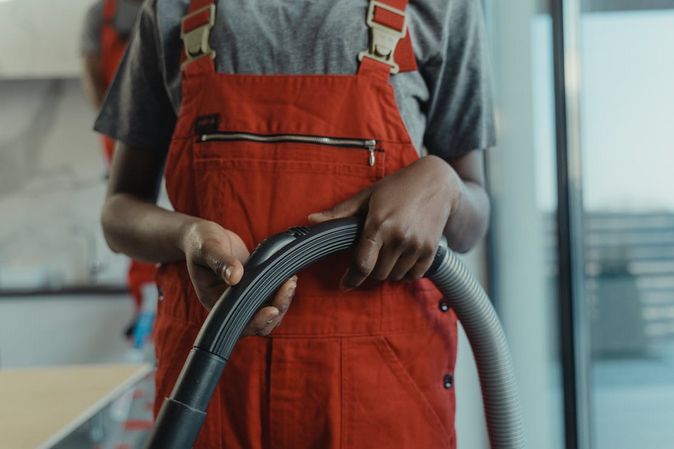
Professional air duct cleaning companies often follow established guidelines. Many of these standards recommend or require HEPA-filtered equipment. Using proper filtration demonstrates commitment to safety and effectiveness. It reflects adherence to professional practices. Homeowners benefit when contractors use equipment designed specifically for residential systems. Choosing providers who utilize HEPA filtration ensures a higher standard of service.
Reducing Odors and Microbial Risks
Odors sometimes originate from dust accumulation or microbial growth inside ducts. Removing visible debris alone may not eliminate the source entirely. HEPA filtration captures particles that contribute to lingering smells. In cases involving mold spores, containment becomes even more critical. While HEPA filters do not kill microorganisms, they prevent spores from spreading during cleaning. Containing these particles reduces the likelihood of further contamination inside the home.
HEPA-filtered equipment plays a vital role in residential air duct cleaning. It captures fine particles that ordinary filters may miss. It prevents contaminants from spreading during service. It enhances cleaning effectiveness and supports healthier indoor air. From allergy relief to HVAC protection, the benefits are substantial. Proper filtration ensures that loosened debris is removed completely rather than redistributed. Homeowners seeking cleaner air should consider the equipment used during service. Advanced filtration reflects professionalism and attention to detail.